A Plethora of Protein

I know you’re going to be shocked when I say that there is a lot of misinformation that floats around regarding diets, nutritional needs, and what someone “should” eat.  Even in my research to confirm the information I’m presenting to you today, scientific and medical studies explain something one way and right underneath it is countless supplement, bodybuilding, and fad diet websites that say, “no, that’s just a myth…here’s what you need to do” without basis to their reasoning.

First, let’s look at why we need protein.  Proteins are built up of essential amino acids that build and repair bones and muscle, makes hormones and enzymes, help us feel fuller, speeds recovery after exercise and injury, aids in nutrient storage in the body, provides slow-burning energy, and more.  It’s one of the three macronutrients (protein, fat, and carbohydrates) that run the different systems of the body.

Is protein essential?  Yes.  You’ll hear biohacking (defined as do-it-yourself biology) that refutes this stating that if you deprive or restrict this essential nutrient that the body will compensate by performing tasks in XYZ ways instead.  Unfortunately, no matter the fancy name you put behind said processes, you can’t usurp how that body was created to function in the long run.

How much protein do I need?  A very popular question and I’m going to give a vague response.  More than what the average individual is consuming.  The standard American diet, in the many forms it appears (clean eating, calorie restriction/dieting, fast-food culture, comfort food, and more) often still fall below the recommended amount of protein to consume per day.  The specific amount of protein an individual needs is HIGHLY personal to your needs, but a general barometer is the Recommended Dietary Allowance (RDA), which is .8 grams per kilo (.36g per pound) of body weight.  This would mean that a 200lb individual would need roughly 76g protein per day (again, this is highly personal and ranges wildly—the amount of protein an individual requires is directly related to several factors).

At 4 calories per gram, that is 288 calories of protein that this example needs to consume in a day.  4oz. of chicken breast (roughly the size of your palm or a pack of cards) equates to 33 grams of protein.  For some, you can see how difficult this might be to consume enough protein throughout the day, for others, it might look like a scant amount, and they are over-consuming.

I see articles, videos, and social media posts all the time about how and where people amplify their protein consumption in meals either with food or products (protein powders, protein-enriched foods, etc.) and create these meals and snacks that are 75-100g+ of protein per meal/sitting.  Not only do some of these concoctions turn your stomach, but it is also near impossible for the body to absorb and process that amount of protein in one sitting.

While it is true that the body can absorb an a near unlimited amount of protein (because it’s also using it as we exist), our body first must process it so that it is available for the body’s use and storage.  Our bodies can effectively handle 25-35 grams of protein in one sitting.  If you’re consuming these massive protein-packed or protein enriched meals that exceed this threshold, a lot of that protein is being excreted out of the body in different ways—effectively flushing your efforts down the toilet.

So, if our chicken breast is 33 grams per serving, you’re doing well for that meal (probably picking up a few more grams from the other foods accompanying it), but are you consuming something that protein-rich at every meal?  Usually not.  Some meals and snacks have much higher levels of carbohydrates and/or fat and scant levels of protein.

Next week we’re going to look at the foods our protein comes from, defining protein-enriched foods and their place, and the place of protein supplementation (i.e.: protein shakes, powders, etc.) –when, where, and why.  Remembering that our protein needs are highly individual, this is not something that most personal trainers, coaches, supplement sellers, and the like should be advising you on—it falls into the scope of practice of a certified and/or licensed nutrition professional (I’ve talked about why and the difference in the past to seek these professionals) because of the many facets of your person and needs that need to be explored beyond weight, calorie restriction/diet, and exercise.  Stay tuned for part 2!

Part 2 can be found in the August 17, 2023 issue of the Today’s News Herald.

Fat.

I can’t believe in 2023 that we still have this notion that fat people are undisciplined, lazy, unworthy of proper medical care, gluttonous, and other negative stereotypes. But then again, I shouldn’t be surprised, with all of the other biases and prejudices that still exist because people choose to only see the world through their lens, and that lens is the only correct way to view things.

I saw a reference this morning that pissed the hell out of me–and that’s putting it nicely. Basically stating that visible muscle indicates discipline, being fat indicates a lack of discipline. I find hilarious because I am both fat and have visible muscle–I’ve worked hard to build strength and appreciate my baby 4-pack, strong shoulders and traps, etc. That strength wasn’t built for the purpose of an aesthetic, but to be functional. A strong body aids me in my extremely physical vocation, gives me energy to get through the day, and being able to complete tasks well. Don’t even get me started how this reflection this morning is so rooted in the toxicity of grind culture…

Anyway, in my frustration, instead of ranting, let’s educate (again, it being a choice to change your prejudices and biases). Fat is not a bad word. Disgust of fat and/or fat people is fatphobia, plain and simple.

Defining Fatphobia

Fatphobia can be understood as a range of negative attitudes, stereotypes, and biases directed towards people who are in a body size larger than what an individual envisions as ideal. It operates on the assumption that larger bodies are undesirable, unhealthy, and indicative of personal failure. This bias shows in many ways, including bullying, social exclusion, discrimination, and even in media portrayals that perpetuate harmful stereotypes.

The Impact of Fatphobia

  1. Mental Health: Fatphobia can take a significant toll on the mental health of individuals who experience it. Constant criticism and discrimination can lead to low self-esteem, depression, anxiety, and even eating disorders.
  2. Physical Health: Contrary to popular belief, body size does not necessarily reflect an individual’s overall health. Fatphobia can discourage people from seeking medical care due to fear of judgment, leading to delayed diagnoses and poorer health outcomes. Body size is not determined by physical effort and nutrition alone, and the suggestion otherwise is false. There are factors beyond people’s control that affects their body size.
  3. Societal Stigma: Fatphobia reinforces societal norms of beauty and attractiveness that are often unattainable for many. This can create a culture of exclusion and inequality, where certain bodies are celebrated while others are marginalized.
  4. Body Image: People subjected to fatphobia may develop negative body image issues, which can lead to a strained relationship with their own bodies. This can hinder their ability to engage in activities, relationships, and experiences that bring joy.

Challenging Fatphobia

  1. Education: Raising awareness about the harmful effects of fatphobia is crucial. This includes educating people about the complexities of body weight and health, dispelling myths, and challenging biased beliefs.
  2. Media Representation: Media has a significant influence on shaping societal perceptions. Promoting diverse body sizes in movies, TV shows, advertisements, and other forms of media can help normalize different body types–but having diverse body sizes also comes with the responsibility of the role these individuals have. Fat jokes, fat suits, the “lazy” fat friend/relative are stereotypes that perpetuate harm.
  3. Promoting Body Positivity: Encouraging body positivity involves fostering self-love, acceptance, and appreciation for all body types. This can be achieved through campaigns, support groups, and social media movements that celebrate diversity. I’m not a super fan of body positivity, and am even shifting my own branding from bo-po to weight-neutral and self-acceptance. Body positivity is a movement that has been co-opted by the beauty industry and includes the encouragement of intentional weight loss in order to achieve self-love.
  4. Advocacy: Advocating for policies that protect individuals from discrimination based on their body size can create a more inclusive society. This includes pushing for workplace policies, healthcare reforms, and anti-bullying measures.

Fatphobia is pervasive and contributes to the perpetuation of harmful stereotypes and negative societal attitudes. Challenging fatphobia requires a collective effort to change the way we think about and treat, include, and accept individuals with different body sizes. By promoting education, acceptance, and empathy, we can create a more inclusive and compassionate world that values people for their individuality rather than their appearance. Remember, every body deserves respect, kindness, and the opportunity to thrive without fear of discrimination–and this is my mission to provide this through the avenue of personal health and wellness, defined by the individual rather than the collective.

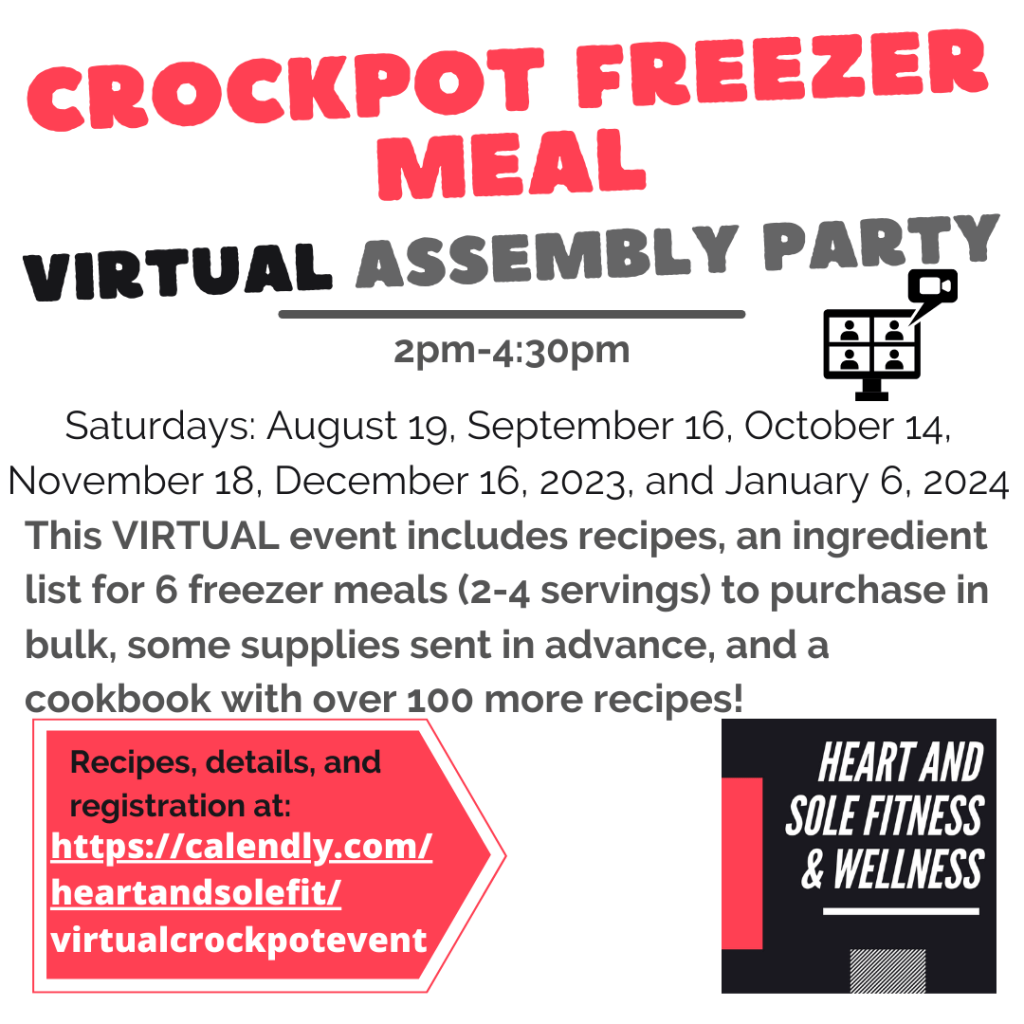
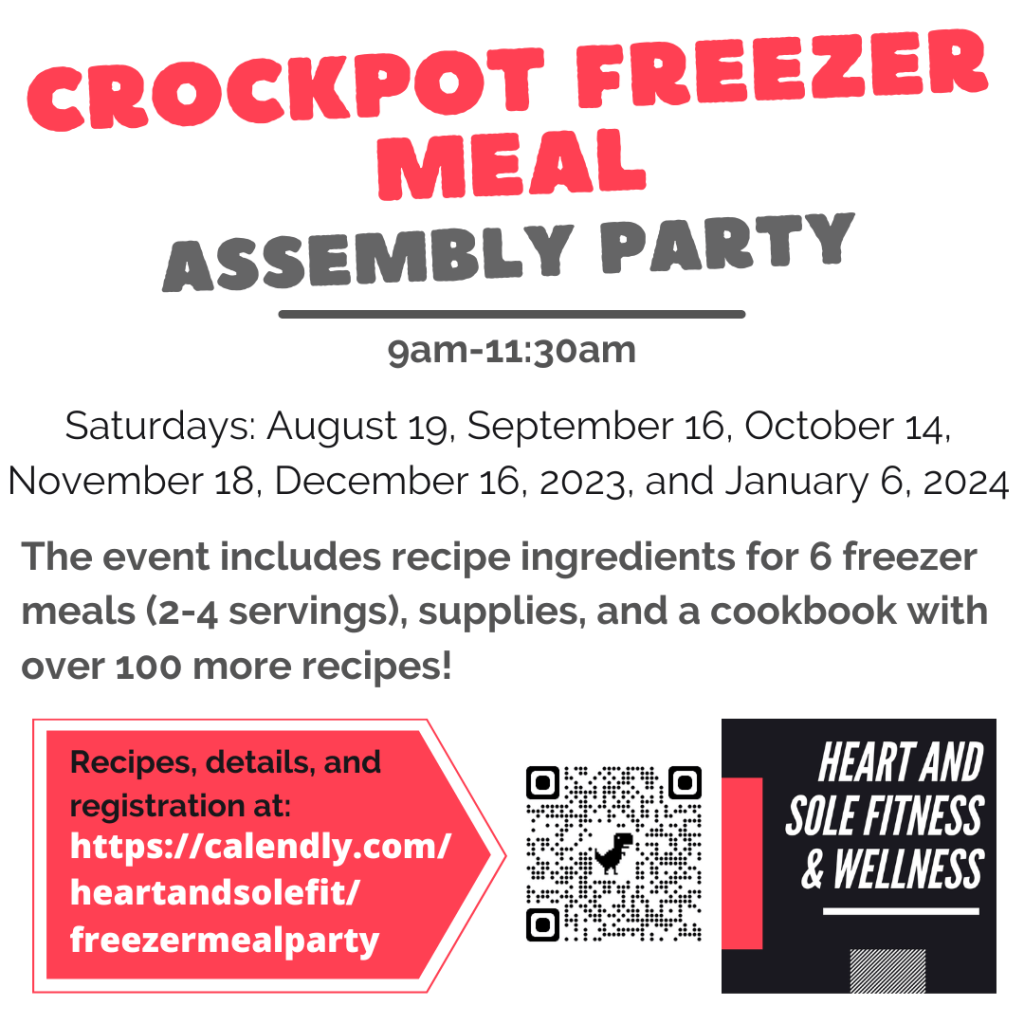
Cooking Rut? Join our upcoming Crockpot Freezer Meals Assembly Parties!

In a food rut? Need some quick and nourishing meals? Regular meal-prep not your jam? Join Stephanie from Heart and Sole Fitness & Wellness for these monthly virtual crockpot assembly parties!

I realize that not everyone that gets notice of new blog posts is signed up for my newsletter or follows me on social media, and I wanted to make sure you got the memo on these great events!

Several different opportunities to create 6 different crockpot freezer meals–taking meal prep to a whole new level. You receive the shopping lists, recipes, swag box of needed supplies, and a cookbook with well over 100 crockpot freezer meals (plus the fun of not meal-prepping alone!) Details and recipes for each session are listed on the registration page:

In-Person in Lake Havasu City, register here: https://calendly.com/heartandsolefit/freezermealparty

Virtual Events, register here: https://calendly.com/heartandsolefit/virtualcrockpotevent

(Don’t stress about dietary concerns—I got you covered! Allergies, intolerances, gluten-free, etc)

Questions? Reach out in the comments or email stephanie@heartandsolefit.com.

August Is National Wellness Month: Tips To Help Employees Prioritize Their Well-being

(Note from Stephanie Lueras, Founder/CEO of Heart and Sole Fitness & Wellness: This is a guest article, not authored by me. Facts and claims are the responsibility of the author, Laura Putnam, but I’m certainly not disputing the importance of personal wellness and being present in our bodies to own and honor our needs. And if you’re a small business looking to revitalize or start a wellness plan alongside of and/or independent of traditional medical benefits, reach out to Denise O’Malley, Founder/CEO of You Define Wellness and have a no-pressure conversation about possibilities starting at $0/ppe)

August is National Wellness Month, a time for people to prioritize their self-care, manage stress, and promote healthy routines.

For employers, it’s also an opportunity to show their employees they genuinely care about their well-being by setting an example and implementing tangible policies that make meaningful change in their employees’ lives. 

Laura Putnam, who has worked with hundreds of organizations and over 15,000 CEOs and managers to implement workplace well-being strategies, has put together a list of five ways employers can prioritize their employees’ well-being. 

  • First step is to address root causes. If CEOs and managers want to implement a workplace well-being strategy the first step is to recognize and identify the root causes of the problem.  For example, the top drivers of burnout are often about the workplace itself, such as work overload. Once the root causes have been identified the next step is to implement meaningful change that makes a tangible difference, such as eliminating after-hour emails or unpaid overtime for salaried employees.
  • Eliminate cookie-cutter employee benefits programs. Study after study shows many employee wellness programs fall short of actually helping. A study by RAND Health found that 80 percent of eligible employees actually opt out of their company wellness programs. Companies need to recognize that cookie-cutter benefit programs don’t work when the problem is the workplace itself. No amount of therapy or yoga can make up for a toxic boss. 
  • Well-being needs to be a collective responsibility. For decades businesses believed their employees’ well-being was an individual responsibility and placed the onus on the individual to seek help rather than looking at the larger systemic issues in the workplace. Today, businesses need to understand that employee well-being is a collective responsibility and requires a holistic approach and support from the CEO down.
  • Managers can be multipliers of well-being – Managers play a critical role in cultivating a safe and caring workplace environment. To end the stigma around mental health, including discussions about loneliness, managers should be encouraged to speak openly about their own personal challenges. 
  • Encourage team care, not just self care. Establishing a culture of friendship within a team is critical. Teams can implement rituals, such as a moment of silence or expressions of gratitude at the start of meetings. These kinds of team care rituals can go a long way in building both friendships as well as psychological safety. 

********

Laura Putnam is a workplace well-being expert, international public speaker and author of Workplace Wellness That Works, about how employers can help their employees prioritize their well-being as part of National Wellness Month.

Laura is very well spoken and has shared her expert opinion and insight in dozens of media interviews over the years, including New York TimesBoston GlobeUSA TodayABCForbes, and more.

Small Tips That Can Make Big Improvements To Your Smile 

(Note from Stephanie Lueras, Founder/CEO of Heart and Sole Fitness & Wellness: This is a guest article, not authored by me. Facts and claims are the responsibility of the author, Dr. Dani B. Obviously, we’re past June, but the importance of oral health month doesn’t end there as I also shared in my earlier health column on the connection between oral health and overall wellness)

June is Oral Health Month, making it a great time to focus on improving and creating better oral care habits. According to the U.S. Department of Health and Human Services, having good oral health is essential to one’s overall well-being. Despite oral health’s importance, many people suffer from problems such as tooth decay, gum disease, bad breath and more. The good news is that small changes in your oral health routine can make a big impact on your health and your smile!

“Nobody realizes how important oral health is until there is a major issue that forces them to rethink their routines,” explains expert cosmetic dentist in Los Angeles Dr. Dani Benyaminy, known by his loyal patients as “Dr. Dani B.” “The truth is that you can have the smile of your dreams if you are willing to do the work to make it happen.”

The way we feel about our oral health has an impact on how we think of ourselves. When we feel good about the way our smile looks, we are more confidentPeople with poor oral health tend to have a low self-image…because of their teeth they may not feel confident, tend to avoid smiling, speaking in groups, and shy away from dating or securing their dream job. The Health Resources & Services Administration (HRSA) reports that 18% of adults say that their mouth appearance and teeth have affected their ability to interview for a job. 

Beyond aesthetics, severe health-related issues are linked to oral health. HRSA reports that poor oral care has been linked to health conditions in other body parts, including diabetes, heart disease, lung issues, certain cancers, dementia, and Alzheimer’s disease. 

Here are some simple tips for making oral health improvements from Dr. Dani B:

  • Don’t rush brushing. Those two minutes feel like an eternity. Use the time in the morning or in the shower to do a thorough job. Listen to a song or try brushing with your non-dominant hand to help challenge your brain.
  • Opt for an electric toothbrush. They are much more effective at cleaning the teeth and do a lot of manual labor for you. Also, make sure you use it correctly. You don’t brush with an electric toothbrush, you let the brush do the work, otherwise, you can harm your teeth. Guide the brush around the areas of the mouth, but let it do all the labor of cleaning the teeth.
  • Never skip flossing. The importance of flossing cannot be understated. Keep floss everywhere: in a travel bag, in the car, the shower, and nightstand so you use it liberally. Make a point to go to bed only after flossing.
  • Rinse after acidic drinks. People are addicted to coffee, but it is acidic and can stain your teeth. Be sure to rinse your mouth after drinking coffee or have your iced coffee with a straw to push it past your teeth. Other acidic drinks include orange juice, apple juice, cola and some bottled waters.
  • Clean up the diet. According to the Harvard School of Public Health, our foods can significantly affect oral health. Some foods will help strengthen teeth, while others may lead to decay. It’s important to get minerals, such as phosphorus and calcium, in the diet so they help protect the teeth. Fruits and vegetables can help clean the teeth because they are high in fiber and water.  

“Having good oral health is imperative for our physical and psychological well-being,” adds Dr. Dani B. “I’ve helped many people achieve the beautiful smile they want and improve their oral health, which also boosts their confidence.” 

Dr. Dani B. is an expert cosmetic dentist in Los Angeles. He is known as a smile makeover specialist as well as a porcelain veneer specialist. His custom built office in Century City, California offers VIP treatments for everyone that visits and virtual consultations are offered to help people determine the best route to meet their goals. With a focus on delivering personalized treatments and achieving optimal oral health, Dr. Dani B. and his experienced team offer a comprehensive range of services, including preventive care, cosmetic dentistry, restorative treatments, orthodontics, and dental implants. The practice also offers Invisalign, Zoom teeth whitening, and urgent dental care. Dr. Dani B. uses cutting-edge technology to help people achieve celebrity caliber smiles. To get a healthy and confident smile, visit https://www.drdanib.com/ and view famous smile makeovers on Instagram @DrDaniB

About Dr. Dani Benyaminy

Dr. Dani Benyaminy, known by his loyal patients as “Dr. Dani B.” is located in Century City, California and is committed to providing exceptional dental care in a compassionate and patient-centered environment. His practice provides comprehensive cosmetic, restorative, and preventative dental care for the whole family in a modern setting. He provides natural looking smile makeovers and develops customized treatment plans that address each individual’s unique concerns. The office offers virtual consultations with cutting-edge technologies to craft beautiful smiles that positively impact people across the country. To learn more or schedule a consultation, visit the site at: https://www.drdanib.com/

# # # 

Sources:

Harvard School of Public Health. Oral Health.https://www.hsph.harvard.edu/nutritionsource/oral-health/

Health Resources & Services Administration. Oral health for adults.https://www.hrsa.gov/oral-health/adults

U.S. Department of Health and Human Services. Oral health.https://health.gov/our-work/national-health-initiatives/healthy-people/healthy-people-2020/healthy-people-2020-law-and-health-policy/oral-health

The Hidden Power of Fiber

(Note from Stephanie Lueras, Founder/CEO of Heart and Sole Fitness & Wellness: This is a guest article, not authored by me. Facts and claims are the responsibility of the author, Baobab Foods, LLC. I can’t underscore the importance of fiber in a vast and varied diet–it’s beneficial to how we feel and how our body functions in so many ways, here’s just one perspective. Give your thoughts in the comments!)

Over 2,000 years ago, Hippocrates declared that all disease begins in the gut. Today, we understand that fiber plays a crucial role in maintaining human health, from supporting cardiovascular health to lowering cortisol levels, managing weight, and fostering a healthy gut microbiome. However, not all fibers are created equal, and the quality and structure of the fiber can have a significant impact on our health. Prebiotic fibers, in particular, help create a healthy and diverse microbiome. While all prebiotics are fibers, not all fibers are prebiotic.

Prebiotic fibers provide eight significant health benefits:

1.    Increase levels of Lactobacilli Acidophilus and Bifidobacterium, beneficial bacteria essential for brain health, mood regulation, and reducing inflammation.
2.    Decrease pathogenic bacteria, acting as both a probiotic and antibiotic.
3.    Enhances gut barrier integrity, mitigating leaky gut syndrome and lowering the risk of autoimmune diseases – an essential health aid for those managing such conditions.
4.    Strengthen immune defense, as 70% of our immune system resides in our gut.
5.    Produce beneficial metabolites such as short-chain fatty acids (SCFAs), which protect against bacterial and viral infections.
6.    Reduce allergy risks.
7.    Decrease protein fermentation in the gut, preventing intestinal dysfunction.
8.    Enhance calcium absorption, promoting cardiovascular health.

Inulin, found in chicory root, is a popular prebiotic fiber. Another powerful prebiotic fruit is baobab, which is as effective as inulin at half the dose. As the only fruit that dehydrates itself, baobab comes in a powdered form and is a flavor enhancer, making it a delicious addition to smoothies, yogurt, or health shakes.

The Hadza tribe, known for having the healthiest guts in the world, incorporates baobab as a staple in their diet. Baobab is unique as it contains 50% fiber and has a composition distinct from other sources. It is not only a potent prebiotic but also a very unique pectin profile that contains high amounts of homogalacturonan (HG), an essential dietary nutrient with anti-inflammatory properties, and immune system and intestinal flora modulation benefits.

In addition to being an exceptional prebiotic, baobab boasts one of the highest antioxidant ratings among super fruits like acai, maqui, goji, and chia seeds. It also has significantly more polyphenols.


CONCLUSION:

Baobab, though relatively unknown in the Western world, is a hidden gem from Africa with unique properties and is available in the USA via various outlets including MRMBetter Body and Terrasoul.. Addressing our fiber intake is crucial for combating a range of health concerns, from cardiovascular disease to maintaining a healthy gut, preventing autoimmune diseases, and enhancing our body’s ability to fight bacterial and viral infections. This, together with its potent antioxidant and polyphenol content, means baobab offers a unique and highly beneficial solution for overall human health.

Gratitude for a dead car battery

For those just tuning in, let me give you the Reader’s Digest version: 3 years ago when my husband and I left full-time ministry, we left behind all security and stability we had in our lives (home, cars, retirement, furniture, benefits, etc). We had our personal possessions and six months severance in our pockets. This didn’t come as a shock, we knew what we were leaving behind and had planned for our “get out and start over as brand-new adults” strategy, but there wasn’t an extra cent to be had.

Then the pandemic shut the world down. At that time, my husband had a job that was essential and I was still able to operate my business. Because my business was literally six weeks old when we were all at home, I didn’t qualify (business-wise) for grants or loans made available to small businesses. I had applied for over 50 business grants that first year. Not a penny. The one bright side, because the money coming into my business was keeping the business running, I wasn’t paying myself and qualified for pandemic unemployment (not immediately as there were A LOT of hoops to jump through being self employed to get started).

That was 2020.

2021 was a year of growth. I got my ducks in a row with some great coaching, branded, and started bringing multiple revenue streams into my business outside of 1:1 client care. Husband got a new job after working a temporary job (he had left trucking in favor of being home) that was perfect for him. We got by.

2022 was centered to start out with a bang…and it did, just not in the way we anticipated. My husband got Covid and was out of work for 10 days. He doesn’t receive paid time off (this is literally the only downside of his job–he loves it so much). While it doesn’t seem like much, this financially devastated us for a time. The snowball from that missed income hit our household hard. We didn’t talk about this much publicly.

But, 2022 was also a year of MASSIVE growth in my business. More revenue streams, consistent client base, and truly establishing myself in the niche of people I serve. We recovered from hubby’s covid hit, but it took the rest of the year. One of the big milestones was getting transportation (a motorcycle) for my husband, which freed up time that I didn’t need to get him to and from work (and when you do the math, ended up saving us money for what it cost just in vehicle expenses to chauffer him).

Q1 of 2023 has my head spinning from momentum. My revenue streams are flourishing and my client base is consistent, stable, and growing. I am not a one-woman show anymore. I have the ability to hire independent contractors to take some of the workload off my shoulders. Personally, we have an emergency fund, savings, a complete package of benefits I’ve put together for us, we’re on track to finish paying the small amount of debt accrued in 2022 by the end of the year, we are stable enough for my husband to take a week off of work for a vacation to come with me to California next month while I do some business, and we’re able to make a few larger purchases–like a new insulin pump for my husband (even with insurance, not cheap!).

Now, fast forward to today. I walked out of the house before dawn to meet with a client and then teach a class. My car wouldn’t start. The battery was dead. I mean, dead dead. Not even my jumper pack dealie could pump any life into it to at least get it started for me to limp it to teach my class and then the auto parts store.

I was upset (don’t mess with my schedule), but I came in the house and (not so calmly) got a substitute out of bed to take my class and waited for AAA battery service. The technician arrived, did his thing, changed my battery, I handed him my debit card, and went on with the day. My biggest anxiety was hoping not to miss my 10am appointment for my annual mammogram.

As I was driving to the hospital this morning, I had a lightbulb moment and a wave of gratitude washed over me. Had this happened in 2021 or 2022 and I walked out and my car didn’t start, I would’ve had a meltdown. I would’ve sent myself into a panic attack trying to figure out how to pay for it and played the “what if” game for far too long.

But my battery died today. I was upset to miss a class (because the participants are awesome and I love teaching it), but I didn’t bemoan the missing income from those few hours. I was able to hand over my debit card to pay for a new battery without batting an eye. I didn’t have to go play financial jenga or figure out what we would have to do without in order to get our vehicle on the road.

I just went on with life.

The gratitude (and tears) came when I reflected on the morning and realized that this morning wasn’t the end of the world (as it used to feel when these things cropped up). We’re stable. We’re secure. The future is bright and abundant. I was able to see that and experience that peace firsthand today.

If you go back in this blog, you’ll find where I talked about God paving the path for us to leave full-time ministry and start over at breakneck speed–far faster than in our humanness we planned to exit. Even in the hard times over the last few years, we have been faithful–and He has been faithful to us.

While the reward is much greater for eternity, we are absolutely reaping the benefits of our faith here on earth. Life’s a wild ride.

Why do I tell this story? Because it matters. I’m in the wellness business. I serve people body, mind, and soul on a daily basis. Financial wellness plays into our holistic wellness. It affects stress, hormones, blood pressure, sleep, ability and accessibility to care, nutrition, mental health and more.

If there’s an area of wellness that you’re struggling, no, you’re not alone. But we can work together to change things for your whole being. Not sure where to turn for what you need? I’m here for it. Let’s chat.

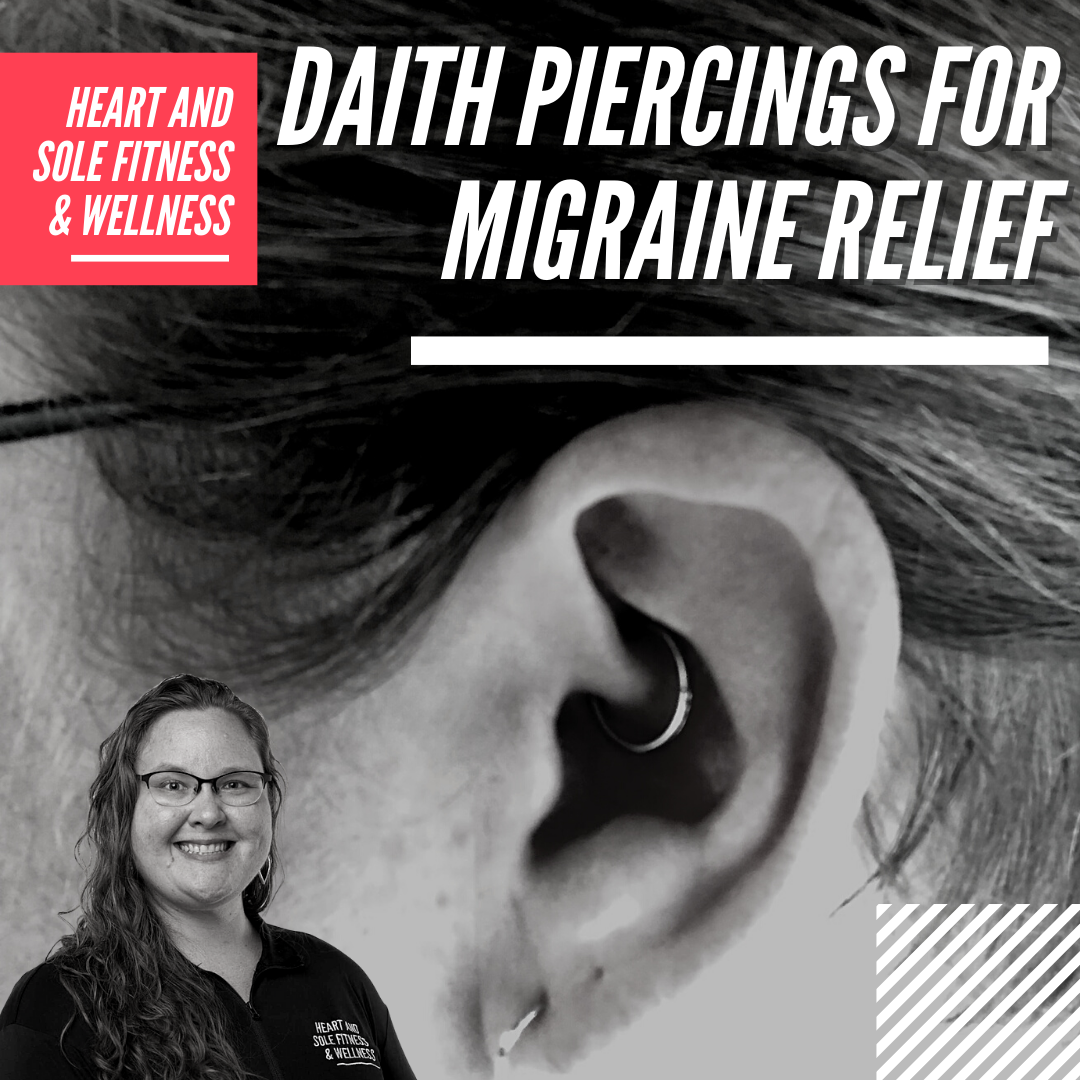
Daith Piercings for Migraines

This particular blog is going to be a living document–I’m going to be coming back an updating it over time with my own experiences and some of the research for, neutral, and against so others can have a resource in making a decision if this might be a migraine mitigation or severity altering possibility for you. (*Contents of this post is not individual medical advice. It is my own anecdotal evidence and external links are provided for further educational reading.)

I have suffered migraines since I was in college. It took about 10-12 years (yes, years) to settle into a cocktail of medication management that worked for me. It got bad…in my late 20s/early 30s, I would get about 3 migraines a week. I take a daily meditation that’s secondary use had been shown to help prevent migraines (it’s primary use is a seizure medication). I also take a “rescue” medication that dissolves under my tongue at the onset of a migraine that usually knocks it out, but if needed, I can take a second dose 2 hours later. I rarely get migraines of that severity, but the downside is–two doses in 24-hrs is the max. Once I’ve taken it, I’m stuck in pain if that doesn’t shut it down.

I rarely get migraines that last beyond that point–and if I do, that’s when I’m in bed. Occasionally there were times when the pain was so bad that I would have to go to the emergency room, and they would do an IV with all kinds of goodies…but with the state of our healthcare system and wait times, I’d rather save my $350 emergency room insurance copay and call a mobile IV to get the same treatment without a wait and exposure to other illnesses at a fraction of the cost.

I’m also blessed that probably 90% of my migraines are functional…I don’t get auras or nausea. Beyond the excruciating pain, the most common symptom for me is sound sensitivity, but that’s something I’m easily able to control in my environment for the most part without too much interruption to life.

Knowing migraine triggers is a big thing–and mine are varied, took years to narrow down, and sometimes feels like a game of Whack-a-Mole to land on which triggers set off the landmine. Barometric pressure changes, sinus issues (I’ve had chronic sinus issues for years, so if I’m not feeling well and it hits my sinuses and isn’t resolved quickly…forget it, that sinus headache is headed for full-blown migraine), nitrates (I have found that I can have some, but haven’t found that magic threshold…basically no more than one meal in a 24 hour period–so if I have a hot dog for dinner, I can’t have lunch meat on a sandwich for lunch the next day), MSG (contrary to popular belief, this only affects 2-3% of the population…MSG gets an unnecessary bad wrap, but that’s another story for another day), white wine (which is interesting, because it’s usually red wine that is a migraine trigger for most…I handle red wine jusssttt finnneeee), and increased stress.

Is avoiding triggers a perfect science? No. We don’t live in a bubble. It doesn’t work that way, and since mine are food, environmental, and socioemotional, sometimes it’s just the perfect storm I can’t control. I am aware of my triggers in every day life, and in addition to medication, also ensure that I eat a vast and varied diet that supports my overall health and take some other supplements that help with muscle relaxation and recovery to give my body a fighting chance.

Now, back to the daith piercing. This had been recommended to me for years by people that had it done and swore it helped them, but the scientific evidence doesn’t really push in its favor (I’ll be linking more here soon about that). I’m not surprised, as this is not a medical treatment–with the type of holistic medicine that piercings fall into, while older than much of western medicine–it’s harder to place within the constructs of evidentiary studies.

The majority of what I read for years crossed the spectrum of “yes, in some cases people do see an improvement of frequency and intensity of migraines” to “it’s bullshit science.” One thing that recently came on my radar was the idea of daith piercings making migraines worse–this is something that I had not seen much on either in personal accounts or scholarly works, until I took a dive using biased search terms (purposely looking for negative outcomes). When I had asked my physician about it, she didn’t nix the idea, but she had the same on-the-fence feelings I started with…”well, maybe…”

Remember when I said that I’m functional with most of my migraines? Earlier this month I had a migraine that knocked me on my rear–literally. I was in bed for two and half days, maxed out all the medications I could take, got a mobile IV, and was still in excruciating pain with no relief. This is not a common migraine for me. I couldn’t pinpoint the trigger…I settled on it possibly being some dental work I had the day before it started jostling my head in just the right way to get my sinuses and everything irritated (sometimes you don’t get a perfect answer). My migraines have also increased in frequency and intensity over the last 6-9 months…I’m not sure if it’s the result of a good monsoon season or what, but the trend isn’t pretty and I’m not particularly interested in playing medication roulette again or increasing dosages because of the load it puts on my body.

After being not functional for three days, I decided that I really had nothing to lose in trying a daith piercing and made an appointment for the following weekend–and as added bonus I had a residual headache the ENTIRE week. I don’t even know how to put into words what it’s like to be in pain that you can’t make go away despite any effort for an extended period of time (and don’t come at me about living with chronic pain–I live with joint pain daily from an autoimmune condition, I’ve got the baseline of pain to start with).

The piercing itself hurt like hell–I’m not going to sugar coat that. The piercer that I saw at a reputable and recommended tattoo establishment was experienced and did an incredible job–she timed it well with some deep breathing so that even though it hurt a lot, that wave of pain was over quickly (the pain doesn’t last and it’s a fast process). It was pretty uncomfortable then when she put the earring in because that’s a little wiggly process and closing the hinges on it, but not intolerable. I didn’t check my watch, but I was about 10 minutes early for my appointment and am pretty sure I left just a few minutes after my appointment time–and that was with the piercer giving an apprentice a few tips and talking through things while she did my piercing (with my permission–I’m all about people learning!).

My only mistake was not eating enough before I went in. I had a full day up to that point and had eaten breakfast at like 6:30am and my appointment was 2:45pm and I hadn’t eaten anything since, so when I was in the grocery store immediately after, I could tell that I was a little spacy and definitely needed to get home quickly and get some food into me.

I had a little soreness that afternoon that a couple ibuprofen took care of and then I was fine, and haven’t taken anything since. The first night and the next morning it was a little sensitive when I cleaned it, but it doesn’t really bother me now to clean it. I’m a side sleeper and it took me a few nights to turn my head that way, but after the first couple, I think it was more fear than anything–the earring is tucked in well and doesn’t push on anything if you lay on your side–last night (3 days later) was the first night I slept on that side for any length of time and it felt okay.

I’m super skeptical when it comes to results, because of course I want this piercing to make a difference–so I keep looking at things like, “is this true or is this a placebo?” Either way, these are the changes I see at the 3 day point:

  • Immediate headache relief. Remember I said going into the appointment I had a residual headache from my last migraine that I couldn’t shake? Within 30 minutes (I think it was less, but we’ll say 30 minutes to be conservative), I was headache free and it didn’t return. Now, again…this is one of those instances where I have to wonder is it the piercing, or the placebo of “hey, you just had a painful experience from the piercing so it distracted you from the pain of the headache.”
  • Muscle relaxation. I started to notice it a bit on Sunday evening, but even more dramatically on Monday that the muscles on left side of my face, head, neck, and shoulders (I was pierced on the left) are significantly more relaxed. For YEARS I’ve struggled with extremely tight muscles in my neck and shoulders–like I can get a massage and 10 minutes later you can bounce a quarter off my scalenes and levators. If you run your hand around my neck right now, it’s bizarre–my right side is tight like usual and the muscles on the left are not constricted. (Not in a scary something’s wrong palsy way–I am able to move, use, tighten, and relax all of those muscles properly)

Update (4/30/2023)

  • Migraines have significantly decreased in frequency and intensity. I’ve only had 2-3 full blown migraines in the roughly 2 months since I’ve gotten pierced and they didn’t last more than a few hours. I’ve not had to take a second dose of migraine medicine yet. (I take Maxalt at migraine onset, you take one dose and then another 2 hours later if pain isn’t managed)
  • I’ve had several other headaches (tension and sinus) and they didn’t last long either. Usually a single dose of regular ibuprofen takes care of it.
  • The muscle relaxation on the left side of my neck and shoulders has continued–while there is some stress in those muscles, there’s still the distinct difference in tightness between sides. For this fact alone, once it’s done healing I’m getting the other side done.
  • My only complaint is my impatience in waiting for it to heal. I was told with no hesitation it takes six months (or more). I can sleep on it for longer periods, but there are some days with mild tenderness still. I am diligent about cleaning it twice a day as it still gets a little crusty and I’m paranoid about infection because I certainly don’t want to remove it with the results I’ve seen!
  • Several weeks ago, I was accepted into a clinical trial for migraines (which is amazing because I’ve been denied from more than I can count in the past). I’m still in the first 28-day observance period, so I have not changed treatment protocols yet (from what I gather this is not a pharmaceutical medication trial but rather a medical device…I’ll be getting more details as it continues).
  • Don’t regret the decision for a second.

I’m definitely interested to see what happens as time goes on, which is why I’ll continue to update this page with progress and my experiences. A daith piercing can take 4-6 months to completely heal, and some people to don’t see results/maximum results until that point. I only got one side pierced, some people choose to get both–and honestly, if the muscle relaxation appears to be a long term thing after a few months, I will absolutely go back and get the other side done because that muscle tension can contribute to migraines due to stress–if that’s something I can mitigate, I’m here for it!

Here’s some of the research (for and against) and some anecdotal (individual) experiences:

Please feel free to comment on this post and share your experiences with daith piercings–you might just help someone else make the choice for themselves!

Ditch the Diet Swap: Turmeric Tacos

Happy Taco…not just for Tuesday! Let’s be real, you can have tacos any day of the week! It’s been a minute since I’ve shared a Ditch The Diet Swap recipe, so here’s a reminder of the game–so many recipes infiltrating our eyeballs these days have “swaps” to alter recipes using ingredients to make a recipe fit into a particular diet’s schtick. My goal is to reclaim food, flavor, and remove the demonization of ingredients (for the love of cauliflower) and remind the world, one delicious meal at a time, that all foods fit.

Awhile back, I shared in my newspaper column a bit about the benefits of adding more turmeric in one’s diet. In my own personal testing and use of turmeric, I’ve come up with some great recipes and additions to meals that I’ll be sharing over time (turmeric in your coffee: yes).

Let’s get to it!

Ingredients:

  • 1 pound ground beef (or choice of ground turkey, chicken, pork, ground plant-based alternative)
  • 1 can of Rotel (for those not in the know, it’s chiles, onion, and tomatoes) or if you’re like me and allergic to tomatoes, a can of green chile (1/2 cup fresh chopped) and 1/2 cup finely chopped mirepoix
  • 1 packet of Taco Seasoning of your choice (In a pinch–a tablespoon garlic powder, onion powder, and a teaspoon of cumin works)
  • 1 tablespoon of Fiji Joe Turmeric
  • Taco Shells of your choice
  • Toppings (lettuce, cheese, cabbage, onion, salsa, guacamole, crema, hot sauce, etc)

Directions:

  • Brown ground beef (or meat of choice) until fully cooked through and drain additional fat. I use a small saucepan vs a frying/sauté pan to accommodate the next steps
  • To the meat, add the can of Rotel (or appropriate substitutes)–do not drain the Rotel! (it’s the liquid for your taco seasoning), taco seasoning, and turmeric and stir.
  • Bring to a simmer/low boil, stir, and turn heat to low to simmer
  • Preheat oven to 350 and bake taco shells for 5-7 minutes until heated through (or follow the directions for your preferred taco shells)
  • Drain excess liquid from taco meat, and serve with your favorite toppings and enjoy!

Have you tried turmeric tacos yet? It gives the recipe an extra depth of flavor and savory-ness. Come back and comment with your experience!

Homemade Chicken Soup

It seems like when you’re not feeling well that chicken soup is the magical cure. There’s so many recipes and different ways to make it, so of course, I’ve got to throw my tried and true version in the mix.

It starts with homemade chicken stock. In my home (especially with the rising cost of groceries), my husband and I are conscious about food waste and making sure we use food to its fullest potential. Any roasted chicken that I prepare or rotisserie chicken from the store becomes the base for stock–aka: liquid gold.

Once we get all of the chicken off the bone from a roasted or rotisserie chicken (check out my video on the 5 recipes that come from 1 chicken!), I take our pasta pot (a giant pot with a large metal insert for draining pasta) and fill it with water and place the chicken carcass, bones, and skin into the pasta drain insert and fill the pot full of water. I add just a couple vegetables at this point–carrots, celery, and onion–very rough chopped. They’re going to get boiled through and thrown away, this isn’t the point in the soup to overload with vegetables. I like a flavorful and strong stock, and we’re garlic fans in our home, so at this stage is where there’s a LOT (probably ~20 cloves) of chopped garlic added in too. Bring the stock to a boil over medium-low heat and then turn heat down to low, simmering for another 12-36 hours (it just gets richer!). I usually go about 18-24 hours. Plus the house smells amazing. When you’re ready, strain the stock to get all of the bones, large veg, etc out so all that remains is your smooth stock. I typically get about 2-3 gallons per batch and freeze it in jars so I always have it available for cooking.

Now, onto the soup:

Ingredients:

  • Chicken stock
  • Chicken pieces (diced or shredded, cooked)
  • Vegetables (I prefer a classic mirepoix: carrots, celery, and onion–but you can get as creative as you want), chopped into bite-sized pieces
  • Noodles (Totally a preference thing, I prefer wide egg noodles, others prefer the fideo cut noodles–whatever type of pasta noodle you prefer)
  • Herbs and spices (this is totally subjective on your taste–I use a bit more garlic and fresh cracked pepper. Others like things such as parsley, thyme, dill, oregano, and others. Experiment with your favorite combo!)
  • Splash of olive oil

Notice I didn’t give you any amounts in the above ingredients…you measure that stuff with your heart, but moreover, you can make a batch as large or small as you like. I typically make about a half gallon at a time.

Placing the dutch oven on the stove, I get it hot over medium-high heat and warm the olive oil. Adding my vegetables to the hot pot, I allow them to soften for 4-5 minutes, stirring often. Then I add the chicken, chicken stock, and herbs/spices and allow it to come to a boil. Reducing the heat to medium, I allow it to simmer for about 30 minutes and then add the egg noodles. Once the soup begins to boil again on medium heat with the noodles, I turn it down to low and simmer for another 2 hours. This allows all the flavors to marry and for the soup to thicken just slightly. Serve immediately or can be reheated from the fridge for a couple days….if it sticks around that long!

This is one of those dishes that while it is time consuming, doesn’t take a lot of time to babysit–you can throw it together while doing other things in between. I made a batch a couple weeks ago for our home and to bring a container to a sick friend and kept coming back to it between clients throughout the morning. And it made the house smell great and warmed us up on a colder day!

Let me know in the comments if you make it, or what some of your favorite herb and spice combinations are!

*Amazon makes me tell you that as an Amazon Associate I have the potential to earn from qualifying purchases. I have yet to, but it’s possible..lol.